

Buying a home is probably the biggest financial decision most of us will ever make. One missed document or one rushed signature can leave years of savings stuck in a legal tangle. That’s why Buying Property in Gumanahalli deserves more than a quick site visit and a friendly chat with a broker.
Gumanahalli, on the southern side of Bengaluru, is getting attention from first-time buyers, young families and investors. Many of them want a calmer neighbourhood without moving too far from the city’s job hubs. But a growing area also attracts shortcuts, unclear titles and over-promised projects. This guide walks you through the key things to check before you commit, in plain language, the way a trusted friend in real estate would explain it.
Why People Are Looking at Gumanahalli
Before the checklist, it helps to know why buyers are interested. Real Estate in Gumanahalli appeals to people who want more space for their budget than central Bengaluru offers. For many families, owning a Property in Gumanahalli means more room and a calmer daily routine. Residential layouts, apartment communities and plotted developments are all part of the conversation here, so buyers have real choices.
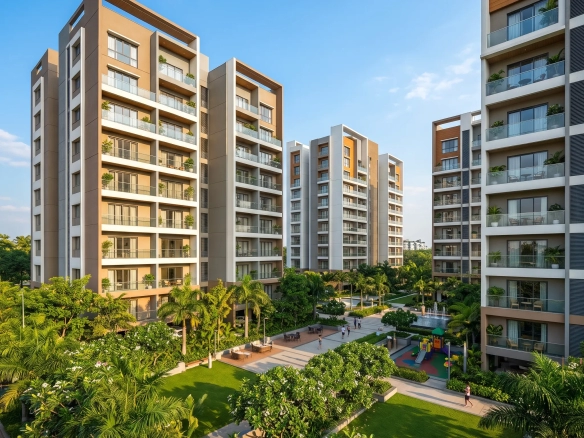
If you’re searching for Properties for Sale in Gumanahalli, you’ll probably find independent houses, plots and apartment projects at different price points. Those looking at Flats for Sale in Gumanahalli often want a gated community with parking, security and shared amenities, without the upkeep of an independent house.
The wide range of options is good news, but it also means the quality of projects varies. Do your homework on each one separately.
Your Property Buying Checklist (Start Here)
Think of this as your master list. Before paying a token amount for any Property in Gumanahalli, make sure you can tick off every item below. We’ll go through each one in detail.
- The seller or builder has a clear, legal right to sell.
- The title is clean, with no loans, disputes or encumbrances.
- The project or layout has the required approvals and RERA registration.
- The khata, tax and utility records are in order.
- The price, taxes and extra charges are fully understood.
- You’ve visited the site yourself, more than once.
- Your financing is planned before you book.
Skipping even one of these is how most buyers end up with regrets. A solid Property Buying Checklist keeps your excitement from running ahead of your caution.
Legal Documents for Buying Property: What to Ask For
This is the part many buyers rush, and it’s the part that matters most. Ask for copies of the following and have a property lawyer read them. Don’t rely on the seller’s word.
Sale deed and mother deed. The sale deed shows how the current owner got the property. The mother deed (the original document in the ownership chain) helps trace the history. Ideally, you want an unbroken chain of ownership going back around 30 years.
Encumbrance Certificate (EC). This shows whether the property has any loans or legal dues registered against it. Get it for at least the last 13 to 30 years from the sub-registrar’s office.
Khata certificate and extract. In Karnataka, the khata is an important record of the property in local authority books. Check whether it’s an A khata or B khata, since this can affect bank loan eligibility and future resale. Confirm the details with the concerned local body.
Property tax receipts. Up-to-date tax payment shows the owner has no pending dues.
Approved building plan and sanction letter. These prove the construction follows approved norms.
Commencement Certificate and Occupancy Certificate (OC). For ready flats, the OC is essential. Without it, you could face trouble getting water and electricity connections, and a bank may refuse to lend.
Land conversion papers. If the land was agricultural before, make sure it was legally converted for residential use.
Power of Attorney (if applicable). If someone else is selling on the owner’s behalf, verify the power of attorney carefully.
Property Verification Before Buying: Don’t Skip the Ground Reality
Documents tell one story and the ground tells another. Proper Property Verification Before Buying means checking both.
First, visit the site on different days and times. A quiet Sunday morning visit won’t show you weekday traffic, noise or water supply problems. Go on a weekday evening too.
Second, talk to neighbours and nearby residents. Ask about water availability, power cuts, flooding in the rainy season, and how the builder or owner has behaved. People will usually tell you what a brochure never will.
Third, check the boundaries. For plots especially, match the measurements on paper with what’s on the ground. Boundary disputes are more common than you’d think.
Fourth, look at access and infrastructure. Is the approach road wide and well maintained? Is there proper drainage? How reliable are the water and electricity supply? How far are schools, hospitals, markets and public transport?
Fifth, do your own commute test. Drive or ride from the property to your workplace at the hours you’d actually travel. This one habit has saved many buyers from a very long daily regret.
Documents Required for Property Purchase (From Your Side)
Buyers often forget that they need paperwork too. Keep these ready so the process doesn’t stall:
- Identity proof (Aadhaar, passport, voter ID)
- PAN card
- Address proof
- Recent passport-size photographs
- Income documents such as salary slips, Form 16 and bank statements, if you’re taking a home loan
- Previous income tax returns
- Sale agreement and payment receipts
If you’re applying for a loan, your bank will also run its own legal and technical checks on the property. That’s a useful second layer of protection, but it doesn’t replace your own lawyer’s opinion.
Check RERA Registration and the Builder’s Track Record
If you’re considering an apartment project, check that it’s registered under the Real Estate Regulatory Authority (RERA) in Karnataka. Registration gives you access to project details, approved plans, the promised possession timeline and a formal complaint route if things go wrong. Don’t just accept a registration number on a brochure; look it up on the official RERA website yourself.
Then look at the builder. Have they delivered earlier projects on time? Can you visit a completed project and speak to residents? Are there pending legal cases? A builder with a clean delivery history is worth more than a slightly cheaper price from one with doubtful credentials.
Understand the Full Cost, Not Just the Price Tag
Whichever Property in Gumanahalli you choose, the listed price is rarely the final amount. Make sure you’ve accounted for:
- Stamp duty and registration charges (rates change, so confirm the current figures with the sub-registrar’s office)
- GST, if you’re buying an under-construction flat
- Maintenance deposit and monthly maintenance
- Parking charges
- Club or amenity fees
- Electricity and water connection charges
- Interior work and furnishing
Ask for a written cost sheet that lists everything. If a seller is vague about extra charges, treat it as a warning sign.
Plan Your Finances Before You Book
Get pre-approval for a home loan before you fall in love with a flat. It tells you what you can really afford and puts you in a stronger position when negotiating. Compare interest rates, processing fees and prepayment rules across a few banks.
As a thumb rule, keep your total EMIs at a comfortable portion of your monthly income so you’re not stretched. Keep an emergency fund aside as well. A home should feel like security, not a monthly burden.
Thinking of Property Investment in Gumanahalli?
If you’re buying as an investment instead of to live in, the checklist grows a little. Think about rental demand, the quality of the neighbourhood, upcoming infrastructure and how easily you could resell later. Property Investment in Gumanahalli can make sense for buyers with a medium to long-term view, but no one can promise guaranteed appreciation, so be wary of anyone who does.
Look at what comparable properties are renting and selling for nearby. Speak to local agents and check how long listings stay on the market. A well-located, legally clean Property in Gumanahalli tends to be easier to rent and resell than one with documentation issues, so the legal checks matter for investors as much as for end users.
Common Red Flags to Walk Away From
Sometimes the best decision is to say no. Be careful if you notice any of these:
- The seller pressures you to pay quickly “before the price goes up”
- Documents are incomplete, missing or only shown as photocopies
- The price is far below market without a convincing reason
- Cash payments are requested without receipts
- Names on documents don’t match
- The builder avoids showing RERA or approval details
- There are several owners and not all have agreed to the sale
A genuine seller will be comfortable with questions. If someone gets defensive when you ask for paperwork, trust your instincts.
How Globes Properties Can Help
Navigating all of this alone can feel overwhelming, and that’s where an experienced real estate partner makes a difference. Globes Properties is a real estate company that helps buyers explore homes with clarity and confidence, from the first enquiry to the final handover.
Whether you’re looking at Globes Properties Bangalore listings for your first home, comparing Globes Properties apartments across different budgets, or checking out Globes Properties projects in Bangalore for long-term investment, the team focuses on transparent information and honest guidance. If you’re browsing Globes Properties flats for sale, you can expect help with understanding documents, site visits and the buying process, so you aren’t left guessing.
You can also explore the full range of Globes Properties real estate options on our website and speak to our team before making any decision.
Frequently Asked Questions (FAQs)
1. What are the most important things to check before buying a property in Bangalore?
Start with a clean title, Encumbrance Certificate, khata, approved plan, RERA registration for projects, and tax receipts. Then verify the site physically and understand the total cost.
2. Which documents should I verify when buying a flat?
Check the sale deed, mother deed, EC, khata certificate and extract, approved plan, Commencement Certificate, Occupancy Certificate and tax receipts. A property lawyer should review them before you pay any significant amount.
3. Is it safe to buy a Property in Gumanahalli?
It can be, provided you verify everything. Safety comes from due diligence: a clean title, proper approvals, a reliable seller or builder and independent legal advice, not from the location alone.
4. How do I check if a project is RERA registered?
Ask for the registration number and search it on the official Karnataka RERA website. Confirm that the project name, promoter and approvals match what you’ve been told.
5. What is the difference between A khata and B khata?
A khata generally indicates a property that’s fully recognised and approved by the local authority, while B khata properties may have some regulatory gaps. This can affect loans, resale and future development, so confirm the status before buying.
6. How much extra should I budget beyond the property price?
This depends on the property, but stamp duty, registration, GST (for under-construction flats), maintenance deposits, parking and interiors can all add up. Ask for a full written cost sheet.
7. Is Gumanahalli good for investment?
It may suit buyers with a medium to long-term view, but returns are never guaranteed. Study rental demand, nearby infrastructure and resale potential, and compare options before deciding.
8. Can I take a home loan for a home in this area?
Most banks lend on properties with clear titles and proper approvals. Eligibility depends on your income, credit history and the property’s legal status, so check with your bank early.
9. Should I buy a ready-to-move flat or an under-construction one?
Ready flats offer certainty, since you can see what you’re buying and move in soon. Under-construction flats are often priced lower but carry delivery risk, so check the builder’s record and RERA timeline.
10. How can Globes Properties help me?
Globes Properties helps you shortlist apartments and flats, understand documentation and plan site visits, so you can make a confident decision.
Final Thoughts
A good purchase isn’t about moving fast; it’s about moving carefully. Verify the documents, visit the site, understand the costs, and ask every question that crosses your mind. A little patience now can save you years of stress later, especially when you’re buying a Property in Gumanahalli.
If you’re ready to explore homes with a team that values transparency, get in touch with Globes Properties and take the first step towards a home you can trust.
For More Visit : https://globesproperties.com
Powered By : https://www.mnmreality.com



Join The Discussion